Cider have been produced for more than 2000 years in temperate areas of the world. In Greek and Roman literature (about 900 BC) there is a wide reference in terms of obtaining fermented beverages from apples, and other fruits. Many fermented drinks known since antiquity have been obtained from apples and pears.
The first recorded references to cider date back to Roman times; in 55 BCE Julius Caesar found the Celtic Britons fermenting cider from native crabapples. The people of northern Spain were making sidra before the birth of Christ.
During colonial era, hard apple cider was by far the most popular alcoholic beverage in America far more than whiskey, wine or beer. Only 9 years after first landing at Plymouth in 1620, European colonists planted apple trees in the Massachusetts Bay Colony. Hard cider became the traditional drink of New England not long after the first settlers arrived.
Ciders were widely enjoyed in early American society. Apple trees grew extremely well in New England, and the art of cider making was readily adapted. Early society struggled to expand their apple orchards, needing more bees and bodies to spread the wealth. Those early colonists identified the issue and brought over swarms of bees to enact the level of pollination needed for thriving orchards.
Apple cider continued in its popularity into the 1800s due in part to the efforts of the legendary Johnny Appleseed who planted many apple trees in the Midwest. As a result, apple cider brewing spread into that area of the country.
By the time of the American Revolution, cider consumption per capita was as high as 40 gallons. Two important factors affected the popularity of hard cider: the mass production of beer during the American industrial revolution and prohibition.
Cider's popularity continued through the 18th and early 19th centuries. In a time where water often contained dangerous bacteria, the alcohol in cider made it a preferable and more sanitary beverage for consumption.
In the 19th century, cider makers began adding rum to cider, making it considerably more intoxicating, resulting in social problems arising from its abuse. Early temperance societies focused on cideries, bringing social pressure for their prohibition. By then cider began its decline from the most popular beverage in the nation.
On January 16, 1919, the United States ratified the 18th amendment, and the prohibition of alcohol in the United States took effect one year later. The production of cider became illegal, and even fresh apple juice production was severely limited. Over the next several decades, the once proud American tradition of cider making was kept alive by only a few local farmers and enthusiasts.
History of apple cider in America
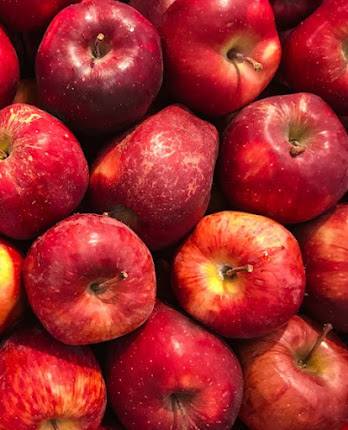
A beverage is a liquid designed for consumption, often crafted to have a pleasing flavor, such as an alcoholic drink. History, in contrast, is a systematic record of events, particularly those affecting a nation, institution, science, or art, usually with an analysis of their causes. Thus, the history of beverages entails a detailed and organized account of the evolution of various drinks over time.
Showing posts with label apple cider. Show all posts
Saturday, March 19, 2022
Sunday, September 21, 2014
Duffy-Mott Company (Mott’s)
Samuel Rogers Mott (born. June 29, 1826) came from Saratoga, New York. He moved his family to Burnt Hills, New York in 1866.
He then became a successful fruit grower and producer of cider and vinegar. Mott’s was the earliest and most successful juice brands which began bottling in 1842. In 1847 he founded Motts Company.
The Brown, Beach & Mott firm is listed in an article dated October 27, 1868 and in 1869, Samuel purchased the interest of his partners and created Mott Cider Co.
In 1900 the company merged with W.B Duffy to become Duffy-Mott. The Duffy-Mott Company started a new industry, having put in a dry kiln for drying pomace. It shipped its first carload in 1917.
This pomace is used for making jelly. In 1929, Duffy-Mott acquired Standard Apple Products Company and also its manufacturing plant in Hamlin.
The 1930s were a decade of great challenge and diversification for the Duffy Mott family of apple cider and vinegar products, beginning in 1930 with the introduction of Mott’s Applesauce.
Duffy Mott formed a partnership with the California Prune and Apricot growers and introduced a bottle of consumer prune juice beverage.
The company branched into jarred jelly in 1936. In 1966 American Brands bought Duffy-Mott.
In 1982, Cadbury Schweppes acquired the Duffy-Mott Company.
Duffy-Mott Company (Mott’s)
He then became a successful fruit grower and producer of cider and vinegar. Mott’s was the earliest and most successful juice brands which began bottling in 1842. In 1847 he founded Motts Company.
The Brown, Beach & Mott firm is listed in an article dated October 27, 1868 and in 1869, Samuel purchased the interest of his partners and created Mott Cider Co.
In 1900 the company merged with W.B Duffy to become Duffy-Mott. The Duffy-Mott Company started a new industry, having put in a dry kiln for drying pomace. It shipped its first carload in 1917.
This pomace is used for making jelly. In 1929, Duffy-Mott acquired Standard Apple Products Company and also its manufacturing plant in Hamlin.
The 1930s were a decade of great challenge and diversification for the Duffy Mott family of apple cider and vinegar products, beginning in 1930 with the introduction of Mott’s Applesauce.
Duffy Mott formed a partnership with the California Prune and Apricot growers and introduced a bottle of consumer prune juice beverage.
The company branched into jarred jelly in 1936. In 1966 American Brands bought Duffy-Mott.
In 1982, Cadbury Schweppes acquired the Duffy-Mott Company.
Duffy-Mott Company (Mott’s)
Labels:
apple cider,
Duffy-Mott,
juice,
Mott's,
vinegar
Saturday, July 26, 2014
History of apple cider in England
The word ‘cider’ has its roots in ancient Hebrew. Sheker, which means strong drink, was translated into the Greek sikera, the Latin sicera, and then the French cidre. The English called it cyder or cider.
The Spanish were making sidra when the Romans invaded Britain in 55 BC and found the Celts fermenting the juice of native crab apples to make cider.
Interest in cider in Britain faded after the fall of Rome because many orchards were abandoned when invading Jutes and Danes attacked British settlements.
After the Norman Conquest on 1066, cider consumption became widespread in England and orchards were established specifically to produce cider apples. The Normans had developed a number of apple varieties which they then introduced to England. In the 15th century, real progress was made in its presentation. Cider is a way of life.
During medieval times, cider was used to pay workers at the monasteries.
An English noble, Lord Scudamore, is credited worth having bottles cider as early as the 1640s, when almost all cider was stored in wooden barrels and drawn off ‘on draft’ as needed.
By the seventeenth century it was so beloved that the English wrote poems and songs about cider.
Cider production in England was estimated at 55 million gallons in 1900. In the early 1980s cider sales had risen to over 60 million gallons per year.
History of apple cider in England
The Spanish were making sidra when the Romans invaded Britain in 55 BC and found the Celts fermenting the juice of native crab apples to make cider.
Interest in cider in Britain faded after the fall of Rome because many orchards were abandoned when invading Jutes and Danes attacked British settlements.
After the Norman Conquest on 1066, cider consumption became widespread in England and orchards were established specifically to produce cider apples. The Normans had developed a number of apple varieties which they then introduced to England. In the 15th century, real progress was made in its presentation. Cider is a way of life.
During medieval times, cider was used to pay workers at the monasteries.
An English noble, Lord Scudamore, is credited worth having bottles cider as early as the 1640s, when almost all cider was stored in wooden barrels and drawn off ‘on draft’ as needed.
By the seventeenth century it was so beloved that the English wrote poems and songs about cider.
Cider production in England was estimated at 55 million gallons in 1900. In the early 1980s cider sales had risen to over 60 million gallons per year.
History of apple cider in England
Labels:
ancient Roman,
apple cider,
England
Sunday, April 27, 2014
Apple cider during ancient time
In ancient times apples were pulped for cider in stone troughs by men wining heavy nail-studded clubs called ‘beetles’.
The name ‘cider’ is rooted in the Phoenician ‘shekar’ meaning wine or strong drink.
Drawing from Paleolithic age depicts apples and the people of this era probably discovered that wild yeasts would quickly act upon the fruit to ferment it.
In 400 BC Hippocrates the Father of Medicine is known to prescribe his patients with apple cider. He used un-distilled apple cider as a powerful cleansing and healing elixir.
Created through the fermentation of raw apples within wooden barrels, vinegar from apple cider is extremely acidic (with pH around 2.8) and this may be the key factor of its amazing curative powers.
The Babylonians used it as a condiment and preservative, while the Greeks and Romans used it both for flavoring and healing purposes.
Julius Caesar led two Roman legions to England in 55 BC and discovered cider to be common drink. The apple was a sacred fruit to the Celtics according to their mythology, and an apple was worship by many early tribes in England.
The Roman found that Celts fermenting the juice of native crab apples to make cider.
By the second and third centuries, Roman authorities reported that various European peoples were making a number of cider-like drinks created from different types of fruit.
It was used a body deodorant, healing tonic and delicious drink to keep body healthy and ageless in Paris during the Middle Ages.
Even Christopher Columbus used it to prevent scurvy, pneumonia and to aid indigestion in 1492 when he discovered America.
Apple cider during ancient time
The name ‘cider’ is rooted in the Phoenician ‘shekar’ meaning wine or strong drink.
Drawing from Paleolithic age depicts apples and the people of this era probably discovered that wild yeasts would quickly act upon the fruit to ferment it.
In 400 BC Hippocrates the Father of Medicine is known to prescribe his patients with apple cider. He used un-distilled apple cider as a powerful cleansing and healing elixir.
Created through the fermentation of raw apples within wooden barrels, vinegar from apple cider is extremely acidic (with pH around 2.8) and this may be the key factor of its amazing curative powers.
The Babylonians used it as a condiment and preservative, while the Greeks and Romans used it both for flavoring and healing purposes.
Julius Caesar led two Roman legions to England in 55 BC and discovered cider to be common drink. The apple was a sacred fruit to the Celtics according to their mythology, and an apple was worship by many early tribes in England.
The Roman found that Celts fermenting the juice of native crab apples to make cider.
By the second and third centuries, Roman authorities reported that various European peoples were making a number of cider-like drinks created from different types of fruit.
It was used a body deodorant, healing tonic and delicious drink to keep body healthy and ageless in Paris during the Middle Ages.
Even Christopher Columbus used it to prevent scurvy, pneumonia and to aid indigestion in 1492 when he discovered America.
Apple cider during ancient time
Labels:
ancient,
apple cider,
Babylon,
Greece
Sunday, August 3, 2008
History of Apple Cider
There are two types of apple cider; sweet cider and hard cider. Sweet cider is simply the unfiltered juice of pressed apples. Hard cider is the fermented, unfiltered juice of pressed apples. There was a long history of apple cider.
During ancient times, Hebrews drank and called the drink “Shekar” and the Greeks drink “Sikera”. Both obtained by cooking apples with fermented juice. Before the Christian era, the various peoples of Europe had succeeded in producing beverage more or less similar to cider from a variety of fruit.
When the Romans arrived in England in 55 BC, they were reported to have found the local villagers drinking a delicious cider-like beverage made from apples.
By beginning of the ninth century, cider drinking was well established in Europe and a reference made by Charlemagne clearly confirms its popularity.After the Norman conquest on 1066, cider consumption became widespread in England and orchards were established specifically to produce cider apples. In the 15th century, real progress was made in its presentation. Cider is a way of life.
In 1588, Julien LE PAULMIER, a Norman, publishes a treatise called “De Vino et pomaco”. It contributed to make cider better known and give it the place it deserves as a healthy drink, and praised its medicinal properties. The consumption of cider grew and grew but was then halted several times by permanent state of war.
During colonial era, hard apple cider was by far the most popular alcoholic beverage in America far more than whiskey, wine or beer. Hard cider became the traditional drink of New England not long after the first settlers arrived.
Apple cider continued in its popularity into the 1800s due in part to the efforts of the legendary Johnny Appleseed who planted many apple trees in the Midwest. As a result, apple cider brewing spread into that area of the country.
History of Apple Cider
Subscribe to:
Posts (Atom)
Top articles all the time
-
Mountain dew history Mountain Dew is a caffeinated, sweet, citrus-flavored soft drink produced by PepsiCo, Inc. The formula invented back...
-
Fanta is manufactured by Coca Cola for international markets. It is best known as orange soda, although it comes in grape, lemon, lime and o...
-
History of Sprite Coke Sprite was introduced by Coca Cola in 1961. Now it’s become world’s leading flavored soft-drinks in category of le...
-
Evaporated (condensed) milk, like sweetened condensed milk was first developed in the early 19th century and has been available as a canned ...
-
The sweet apples resembling today’s; appeared several thousand years ago in Kazakhstan. In the mid second century Galen explain, implyin...

