The history of soft drinks in vending machines in the United States is a fascinating journey that mirrors the evolution of consumer convenience and technological innovation. While the concept of vending machines dates back to ancient Greece, where devices dispensed holy water in exchange for coins, it was not until the early 20th century that vending machines became a fixture in American life. The first modern vending machines in the United States, introduced in the 1920s, primarily offered postcards and gum. However, the advent of soft drink vending machines in the 1930s revolutionized both the vending industry and beverage consumption.
These early machines were mechanically operated, requiring users to insert a coin and pull a lever to release a glass bottle of soda. Despite their simplicity, they represented a breakthrough in convenience. The 1940s and 1950s marked a turning point, as electric vending machines capable of refrigeration emerged, ensuring that beverages were served cold. This innovation coincided with the rising popularity of iconic brands such as Coca-Cola and Pepsi, which capitalized on the vending machine's reach to establish a stronger foothold in consumer markets.
The 1960s and 1970s saw significant advancements, including the introduction of can vending machines and the capability to accept multiple coin denominations. These innovations made vending machines more versatile and user-friendly. Additionally, the expanding variety of soft drink options, including diet sodas and flavored beverages, reflected changing consumer tastes. By the 1980s and 1990s, vending machines had become ubiquitous, appearing in schools, workplaces, hospitals, and public spaces. The introduction of machines capable of dispensing multiple beverage brands from a single unit further enhanced their appeal.
Today, vending machines have evolved to meet the demands of modern consumers. Equipped with touchscreens, cashless payment systems, and even mobile app compatibility, these machines offer unparalleled convenience. Some feature advanced inventory tracking and smart sensors to optimize restocking and maintenance. Moreover, eco-friendly initiatives, such as energy-efficient refrigeration and recyclable packaging, highlight the industry’s commitment to sustainability.
The journey of soft drink vending machines reflects broader societal shifts, from the mechanization of daily life to the digitization of commerce. As technology continues to advance, vending machines remain an enduring symbol of convenience, adapting to meet the evolving needs of American consumers.
The Evolution of Soft Drink Vending Machines: A Journey of Convenience and Innovation
Showing posts with label United States. Show all posts
Showing posts with label United States. Show all posts
Monday, January 19, 2026
Friday, November 22, 2024
The Evolution of Nesquik in the United States
Nesquik, a cherished brand of flavored milk products, has been a staple in American households since its introduction in 1948 by Nestlé. Initially launched as Nestlé Quik, the product was an instant hit due to its easy preparation and rich chocolate flavor, providing a convenient way to transform plain milk into a delightful treat. The product's appeal transcended generations, becoming a childhood favorite for many.
In the 1950s, the brand expanded its lineup with the introduction of a strawberry flavor, further broadening its audience. This addition solidified Nesquik’s reputation as a versatile option for flavored milk enthusiasts. Over the decades, Nesquik continually adapted to changing consumer tastes and health trends, maintaining its relevance in an evolving marketplace.
The 1990s marked a pivotal moment for the brand, as it was rebranded from Nestlé Quik to Nesquik. This era also introduced ready-to-drink bottled versions and new flavors, such as banana and vanilla, appealing to a wider demographic. In recent years, Nesquik has further diversified its offerings with reduced-sugar and plant-based options to cater to health-conscious consumers. For instance, its low-sugar chocolate milk and non-dairy oat milk versions align with the growing demand for nutritious and environmentally friendly products.
Marketing has been a cornerstone of Nesquik’s success, driven by its iconic mascot, the Nesquik Bunny. Debuting in the 1970s, the bunny has become a cultural symbol for the brand, fostering a fun and playful image that resonates with children and nostalgic adults alike. Memorable advertising campaigns have utilized the bunny’s charm to promote not only taste but also the nutritional benefits of the product, particularly as a post-exercise recovery drink due to its protein and calcium content.
Today, Nesquik continues to innovate, blending tradition with modern trends. Its enduring legacy as a trusted and delightful milk companion remains strong, making it a beloved brand in an increasingly competitive market.
The Evolution of Nesquik in the United States
In the 1950s, the brand expanded its lineup with the introduction of a strawberry flavor, further broadening its audience. This addition solidified Nesquik’s reputation as a versatile option for flavored milk enthusiasts. Over the decades, Nesquik continually adapted to changing consumer tastes and health trends, maintaining its relevance in an evolving marketplace.
The 1990s marked a pivotal moment for the brand, as it was rebranded from Nestlé Quik to Nesquik. This era also introduced ready-to-drink bottled versions and new flavors, such as banana and vanilla, appealing to a wider demographic. In recent years, Nesquik has further diversified its offerings with reduced-sugar and plant-based options to cater to health-conscious consumers. For instance, its low-sugar chocolate milk and non-dairy oat milk versions align with the growing demand for nutritious and environmentally friendly products.
Marketing has been a cornerstone of Nesquik’s success, driven by its iconic mascot, the Nesquik Bunny. Debuting in the 1970s, the bunny has become a cultural symbol for the brand, fostering a fun and playful image that resonates with children and nostalgic adults alike. Memorable advertising campaigns have utilized the bunny’s charm to promote not only taste but also the nutritional benefits of the product, particularly as a post-exercise recovery drink due to its protein and calcium content.
Today, Nesquik continues to innovate, blending tradition with modern trends. Its enduring legacy as a trusted and delightful milk companion remains strong, making it a beloved brand in an increasingly competitive market.
The Evolution of Nesquik in the United States


Thursday, September 19, 2024
Faygo: The Rise of Detroit's Iconic Soda Brand
Faygo Beverages, Inc., originally known as Feigenson Brothers Bottling Works, was founded in Detroit, Michigan, in 1907 by Russian immigrant bakers Ben and Perry Feigenson. Having moved to America to seek better opportunities, the brothers used their skills as bakers to create unique soda flavors based on their cake frosting recipes. Their first creations were fruit punch, strawberry, and grape sodas, which quickly gained local popularity. The early distribution of Faygo was modest, with the brothers delivering their sodas on horse-drawn wagons. At the time, a bottle of soda sold for just three cents, or customers could buy two bottles for a nickel, making Faygo both affordable and accessible.
In 1921, the brothers realized that their brand needed a shorter, more memorable name. They chose “Faygo,” a simplified version of their family name, Feigenson, which also helped make the brand stand out. Faygo then embarked on an era of innovation and expansion, continually adding new flavors to its growing product line. Among the most iconic were Faygo Redpop, a sweet strawberry-flavored soda, and Rock & Rye, a cream soda with hints of vanilla and cola. These flavors became synonymous with the Faygo brand, contributing to its long-lasting success.
In the 1950s, Faygo adopted forward-thinking marketing strategies, including the use of animated television commercials. These commercials were groundbreaking at the time and helped establish Faygo as a household name in Detroit and the surrounding areas. However, Faygo faced obstacles, such as adapting to Michigan’s container deposit law passed in 1978, which required changes in how beverages were packaged and sold. Despite these challenges, Faygo continued to thrive, drawing on its loyal customer base and commitment to quality.
In 1987, Faygo was acquired by National Beverage Corporation, which helped to expand its distribution while maintaining its identity as a beloved regional brand. Today, Faygo remains a cultural staple in the Midwest, celebrated for its vast array of flavors and nostalgic charm, connecting generations through its iconic sodas.
Faygo: The Rise of Detroit's Iconic Soda Brand
In 1921, the brothers realized that their brand needed a shorter, more memorable name. They chose “Faygo,” a simplified version of their family name, Feigenson, which also helped make the brand stand out. Faygo then embarked on an era of innovation and expansion, continually adding new flavors to its growing product line. Among the most iconic were Faygo Redpop, a sweet strawberry-flavored soda, and Rock & Rye, a cream soda with hints of vanilla and cola. These flavors became synonymous with the Faygo brand, contributing to its long-lasting success.
In the 1950s, Faygo adopted forward-thinking marketing strategies, including the use of animated television commercials. These commercials were groundbreaking at the time and helped establish Faygo as a household name in Detroit and the surrounding areas. However, Faygo faced obstacles, such as adapting to Michigan’s container deposit law passed in 1978, which required changes in how beverages were packaged and sold. Despite these challenges, Faygo continued to thrive, drawing on its loyal customer base and commitment to quality.
In 1987, Faygo was acquired by National Beverage Corporation, which helped to expand its distribution while maintaining its identity as a beloved regional brand. Today, Faygo remains a cultural staple in the Midwest, celebrated for its vast array of flavors and nostalgic charm, connecting generations through its iconic sodas.
Faygo: The Rise of Detroit's Iconic Soda Brand

Sunday, September 1, 2024
Tradition and Innovation: The Legacy of Sprecher Craft Root Beer
Sprecher Craft Root Beer has a rich history rooted in tradition and innovation. Founded in 1985 by Randy Sprecher, Sprecher Brewing Company is Milwaukee’s original craft brewery, known for pioneering a unique approach to brewing that blends old-world techniques with modern creativity. Randy’s passion for brewing began during his time in Augsburg, Germany, where he developed a deep appreciation for the complexity and quality of German beers. His experiences abroad ignited a desire to bring a similar level of craftsmanship to American brewing. After returning to the United States, Randy pursued a degree in fermentation science at UC-Davis, one of the top programs in the country, where he honed his technical skills and deepened his understanding of the brewing process. He later worked at Pabst Brewery in Milwaukee, gaining valuable industry experience before venturing out on his own.
Randy Sprecher’s vision was to create high-quality, fire-brewed craft beverages that stood out in a crowded market. He established Sprecher Brewing Company with a commitment to traditional brewing methods, including the use of a gas-fired brew kettle, a technique rarely used in American breweries. This method, inspired by the techniques Randy observed in Germany, involves brewing the soda over an open flame, allowing for greater caramelization of the sugars and a more complex, layered flavor profile. Additionally, the use of raw honey in the recipe contributes to the root beer’s distinctive sweetness and smooth finish, setting it apart from other sodas on the market.
Initially, Sprecher Root Beer was crafted for family-friendly brewery tours, intended as a nostalgic treat that parents and children could enjoy together. However, its rich, creamy taste quickly garnered attention beyond Milwaukee. In 2008, The New York Times rated it as the best root beer in the country, a testament to its superior quality and Randy’s unwavering commitment to excellence. Sprecher’s dedication to quality and tradition has made it a beloved brand among root beer enthusiasts, who appreciate the craftsmanship that goes into every bottle.
Today, Sprecher Brewing Company continues to produce a variety of craft sodas and beers, maintaining its dedication to fire-brewing and using local ingredients whenever possible. The brewery has become a staple in Milwaukee, offering tours and tastings to visitors who want to experience firsthand the unique flavors of Sprecher Craft Root Beer. The company’s continued success reflects its ability to stay true to its roots while also embracing innovation, ensuring that Randy Sprecher’s legacy endures.
Tradition and Innovation: The Legacy of Sprecher Craft Root Beer
Randy Sprecher’s vision was to create high-quality, fire-brewed craft beverages that stood out in a crowded market. He established Sprecher Brewing Company with a commitment to traditional brewing methods, including the use of a gas-fired brew kettle, a technique rarely used in American breweries. This method, inspired by the techniques Randy observed in Germany, involves brewing the soda over an open flame, allowing for greater caramelization of the sugars and a more complex, layered flavor profile. Additionally, the use of raw honey in the recipe contributes to the root beer’s distinctive sweetness and smooth finish, setting it apart from other sodas on the market.
Initially, Sprecher Root Beer was crafted for family-friendly brewery tours, intended as a nostalgic treat that parents and children could enjoy together. However, its rich, creamy taste quickly garnered attention beyond Milwaukee. In 2008, The New York Times rated it as the best root beer in the country, a testament to its superior quality and Randy’s unwavering commitment to excellence. Sprecher’s dedication to quality and tradition has made it a beloved brand among root beer enthusiasts, who appreciate the craftsmanship that goes into every bottle.
Today, Sprecher Brewing Company continues to produce a variety of craft sodas and beers, maintaining its dedication to fire-brewing and using local ingredients whenever possible. The brewery has become a staple in Milwaukee, offering tours and tastings to visitors who want to experience firsthand the unique flavors of Sprecher Craft Root Beer. The company’s continued success reflects its ability to stay true to its roots while also embracing innovation, ensuring that Randy Sprecher’s legacy endures.
Tradition and Innovation: The Legacy of Sprecher Craft Root Beer

Saturday, August 17, 2024
Global Evolution of Teahouses: Tradition, Social Hubs, and Cultural Significance
Teahouses, also known as tearooms, are popular establishments in East Asia where people gather to enjoy tea and refreshments. These venues have a long and rich history, with their origins traced back to ancient China during the Tang (618–907 AD) and Song (960–1279 AD) Dynasties. During this period, teahouses evolved from simple places for tea consumption to vibrant social hubs, where visitors could experience a range of entertainment activities, such as juggling, poetry recitations, acting, opera performances, and storytelling.
The spread of tea culture beyond China led to the establishment of teahouses in various parts of the world. In these spaces, tea became more than just a beverage—it was an integral part of social interactions, business meetings, and formal ceremonies. In China, Japan, and Nepal, teahouses have historically played a significant role as social spaces where people could not only enjoy tea but also engage in conversations, make business deals, and even arrange romantic encounters.
In Japan, teahouses are closely associated with the traditional Japanese tea ceremony, a highly ritualized form of serving and drinking tea. These teahouses are typically private structures, often surrounded by serene gardens, providing a tranquil environment for the ceremony. The actual tea ceremony takes place in a room called the "chashitsu," designed specifically to enhance the aesthetic and spiritual experience of the event.
In contrast, tearooms in the United Kingdom serve as small establishments where light meals and beverages are offered. The atmosphere in these tearooms is generally calm and relaxed, making them ideal settings for leisurely conversations. The offerings in British tearooms range from cream teas, which include scones with jam and clotted cream, to more elaborate afternoon teas featuring a selection of tea sandwiches, small cakes, and pastries. High tea, a more substantial meal served later in the day, includes savory dishes alongside tea.
In the United States, teahouses have evolved to resemble coffeehouses, offering a broader selection of beverages and food items, including both tea and coffee, as well as pastries and other light fare. However, in many Asian countries, the teahouse remains firmly rooted in its original purpose—serving a variety of teas to its customers. In these regions, the teahouse is often seen as a place to relax, reflect, and enjoy the simple pleasure of a well-brewed cup of tea.
Today, teahouses continue to be cherished for their cultural significance and the role they play in promoting social interaction. Whether in the East or the West, these establishments offer a unique blend of tradition, hospitality, and community, making them beloved institutions around the world.
Global Evolution of Teahouses: Tradition, Social Hubs, and Cultural Significance
The spread of tea culture beyond China led to the establishment of teahouses in various parts of the world. In these spaces, tea became more than just a beverage—it was an integral part of social interactions, business meetings, and formal ceremonies. In China, Japan, and Nepal, teahouses have historically played a significant role as social spaces where people could not only enjoy tea but also engage in conversations, make business deals, and even arrange romantic encounters.
In Japan, teahouses are closely associated with the traditional Japanese tea ceremony, a highly ritualized form of serving and drinking tea. These teahouses are typically private structures, often surrounded by serene gardens, providing a tranquil environment for the ceremony. The actual tea ceremony takes place in a room called the "chashitsu," designed specifically to enhance the aesthetic and spiritual experience of the event.
In contrast, tearooms in the United Kingdom serve as small establishments where light meals and beverages are offered. The atmosphere in these tearooms is generally calm and relaxed, making them ideal settings for leisurely conversations. The offerings in British tearooms range from cream teas, which include scones with jam and clotted cream, to more elaborate afternoon teas featuring a selection of tea sandwiches, small cakes, and pastries. High tea, a more substantial meal served later in the day, includes savory dishes alongside tea.
In the United States, teahouses have evolved to resemble coffeehouses, offering a broader selection of beverages and food items, including both tea and coffee, as well as pastries and other light fare. However, in many Asian countries, the teahouse remains firmly rooted in its original purpose—serving a variety of teas to its customers. In these regions, the teahouse is often seen as a place to relax, reflect, and enjoy the simple pleasure of a well-brewed cup of tea.
Today, teahouses continue to be cherished for their cultural significance and the role they play in promoting social interaction. Whether in the East or the West, these establishments offer a unique blend of tradition, hospitality, and community, making them beloved institutions around the world.
Global Evolution of Teahouses: Tradition, Social Hubs, and Cultural Significance

Thursday, August 1, 2024
How Dutch Tea Culture Shaped Early New York
By 1640, Chinese tea had found its way to the Netherlands, thanks to the Dutch East India Company. This exotic beverage quickly became a staple in the daily life of the Dutch monarchy, particularly within the House of Orange. The tradition of tea drinking spread beyond Europe and was likely introduced to New Amsterdam, a Dutch colonial settlement in North America, soon after its arrival in the Netherlands.
In 1647, Peter Stuyvesant, an influential figure in Dutch colonial history, arrived in New Amsterdam to assume the role of governor. Stuyvesant, born in Holland in 1592 and a former Dutch Army officer, was appointed as the director-general of New Netherland. His personal inventory included teapots, spoons, and cupboards, indicating his commitment to maintaining Dutch customs in the New World.
By 1650, Stuyvesant had brought tea to New Amsterdam, laying the foundation for a vibrant tea culture among the American colonists. This new tradition quickly took hold, with records showing that the tea consumption in New Amsterdam soon surpassed that of England. The burghers of New Amsterdam embraced tea with the same enthusiasm as their Dutch counterparts, taking pride in their tea boards, tables, teapots, sugar bowls, silver spoons, and strainers.
Even after the British seized control of the colony in 1664 and renamed it New York, tea retained its significant role in social life. The British continued the Dutch custom, integrating tea into their own culture and maintaining its status as a symbol of social sophistication. Thus, tea, initially introduced by the Dutch, became a beloved and enduring tradition in American life.
How Dutch Tea Culture Shaped Early New York
In 1647, Peter Stuyvesant, an influential figure in Dutch colonial history, arrived in New Amsterdam to assume the role of governor. Stuyvesant, born in Holland in 1592 and a former Dutch Army officer, was appointed as the director-general of New Netherland. His personal inventory included teapots, spoons, and cupboards, indicating his commitment to maintaining Dutch customs in the New World.
By 1650, Stuyvesant had brought tea to New Amsterdam, laying the foundation for a vibrant tea culture among the American colonists. This new tradition quickly took hold, with records showing that the tea consumption in New Amsterdam soon surpassed that of England. The burghers of New Amsterdam embraced tea with the same enthusiasm as their Dutch counterparts, taking pride in their tea boards, tables, teapots, sugar bowls, silver spoons, and strainers.
Even after the British seized control of the colony in 1664 and renamed it New York, tea retained its significant role in social life. The British continued the Dutch custom, integrating tea into their own culture and maintaining its status as a symbol of social sophistication. Thus, tea, initially introduced by the Dutch, became a beloved and enduring tradition in American life.
How Dutch Tea Culture Shaped Early New York

Thursday, July 4, 2024
Bigelow Tea: From Kitchen Creation to Household Name
Bigelow Tea, a renowned name in the tea industry, has a rich history dating back to 1945 when Ruth Campbell Bigelow created the iconic "Constant Comment" tea in her kitchen. This specialty tea, a blend of black tea, orange rinds, and sweet spices, marked the first of its kind in the United States. The inception of this now-famous tea company stemmed from challenging circumstances: Ruth's husband, David Bigelow, lost his publishing job, and Ruth's interior design business was severely affected by the Great Depression.
The Bigelows began their tea venture in their New York brownstone apartment. Despite financial constraints, David meticulously managed the finances to ensure the fledgling business could survive. Their perseverance paid off as the tea gained popularity, prompting Ruth and David to sell their city home and move to Connecticut in 1950. There, they purchased a small factory in Norwalk, beside the Norwalk River, laying the foundation for future growth.
In 1957, the business moved a mile away to a larger, classic New England brick factory on Merwin Street, Norwalk. This relocation was pivotal as it marked the beginning of significant advancements for Bigelow Tea. In 1958, the company acquired its first tea bag machine, enhancing production efficiency. The late 1950s also saw Bigelow Tea transition from being available in specialty shops to supermarket shelves, broadening their consumer base.
The 1960s were a transformative decade for the company. Ruth and David's son, David Bigelow Jr., joined the family business in 1960 and took over its leadership in 1963. Following the deaths of Ruth in 1966 and David Sr. in 1970, David Jr. and his wife Eunice led the company with integrity, passion, and determination. Their leadership propelled Bigelow Tea to new heights, cementing its status as the number one specialty tea company in the country.
The 1970s brought another wave of innovation as Bigelow Tea began packaging their teabags in folding cardboard boxes instead of tins, a move that significantly boosted sales. This change not only made the product more accessible but also more appealing to a broader audience.
Today, Bigelow Tea remains a testament to the resilience and vision of Ruth Campbell Bigelow and her family. From humble beginnings in a kitchen to becoming a household name, Bigelow Tea's journey reflects the enduring legacy of quality, innovation, and family values.
Bigelow Tea: From Kitchen Creation to Household Name
The Bigelows began their tea venture in their New York brownstone apartment. Despite financial constraints, David meticulously managed the finances to ensure the fledgling business could survive. Their perseverance paid off as the tea gained popularity, prompting Ruth and David to sell their city home and move to Connecticut in 1950. There, they purchased a small factory in Norwalk, beside the Norwalk River, laying the foundation for future growth.
In 1957, the business moved a mile away to a larger, classic New England brick factory on Merwin Street, Norwalk. This relocation was pivotal as it marked the beginning of significant advancements for Bigelow Tea. In 1958, the company acquired its first tea bag machine, enhancing production efficiency. The late 1950s also saw Bigelow Tea transition from being available in specialty shops to supermarket shelves, broadening their consumer base.
The 1960s were a transformative decade for the company. Ruth and David's son, David Bigelow Jr., joined the family business in 1960 and took over its leadership in 1963. Following the deaths of Ruth in 1966 and David Sr. in 1970, David Jr. and his wife Eunice led the company with integrity, passion, and determination. Their leadership propelled Bigelow Tea to new heights, cementing its status as the number one specialty tea company in the country.
The 1970s brought another wave of innovation as Bigelow Tea began packaging their teabags in folding cardboard boxes instead of tins, a move that significantly boosted sales. This change not only made the product more accessible but also more appealing to a broader audience.
Today, Bigelow Tea remains a testament to the resilience and vision of Ruth Campbell Bigelow and her family. From humble beginnings in a kitchen to becoming a household name, Bigelow Tea's journey reflects the enduring legacy of quality, innovation, and family values.
Bigelow Tea: From Kitchen Creation to Household Name

Sunday, March 10, 2024
The Evolutionary Journey: Tracing the History of Hops in the United States
Brewing in North America has roots entwined with the earliest European settlers, who brought with them not only their traditions but also the indispensable art of beer-making. For these settlers, beer was more than a beverage; it was a fundamental component of daily life, considered nearly as essential as bread and water.
Central to the evolution of beer's taste profile is the inclusion of hops (Humulus lupulus L.), often heralded as the "spice" that transforms mere malted barley water into the complex libation we recognize today. Hops have been integral to brewing for over 1,200 years, with German brewers pioneering their use, harnessing wild hops to impart distinctive flavors to their brews.
Although the origins of hops trace back to China, their documented usage begins in the 8th century when Benedictine monks employed them for brewing within a Bavarian abbey near Munich, Germany. This marked the formal inception of hops into the world of brewing, setting a precedent that would spread across continents.
In the context of the United States, the cultivation of hops found its foothold in the early years of colonization. The Massachusetts Company's introduction of cultivated hops from Europe in 1629 aimed to stabilize local hop availability, marking the formal entry of hops into the American brewing landscape. As settlements expanded along the Eastern seaboard, hop cultivation followed suit, becoming a cornerstone of agricultural activity.
The dawn of commercial hop cultivation in the United States can be attributed to the establishment of the first hop yard in New York in 1808. Over the ensuing decades, the New England states emerged as dominant players in American hop production, with New York leading the charge by the mid-19th century. In 1859, a staggering seven-eighths of the nation's hop yield hailed from New York State, cementing its status as the epicenter of American hop cultivation.
As the frontier expanded, so too did hop cultivation, spreading south and westward. Wisconsin briefly surged as a major hop producer in the late 19th century, challenging New York's hegemony. However, both states faced a devastating blow in the 1920s when downy mildew ravaged hop crops, decimating yields and precipitating a decline in cultivation.
Despite this setback, the legacy of hops in the United States endures, serving as a testament to the resilience of agricultural innovation. From humble beginnings in colonial hop yards to the expansive fields of the Midwest, the history of hops in the United States is a narrative of adaptation, growth, and the enduring pursuit of flavor in the pursuit of brewing excellence.
The Evolutionary Journey: Tracing the History of Hops in the United States
Central to the evolution of beer's taste profile is the inclusion of hops (Humulus lupulus L.), often heralded as the "spice" that transforms mere malted barley water into the complex libation we recognize today. Hops have been integral to brewing for over 1,200 years, with German brewers pioneering their use, harnessing wild hops to impart distinctive flavors to their brews.
Although the origins of hops trace back to China, their documented usage begins in the 8th century when Benedictine monks employed them for brewing within a Bavarian abbey near Munich, Germany. This marked the formal inception of hops into the world of brewing, setting a precedent that would spread across continents.
In the context of the United States, the cultivation of hops found its foothold in the early years of colonization. The Massachusetts Company's introduction of cultivated hops from Europe in 1629 aimed to stabilize local hop availability, marking the formal entry of hops into the American brewing landscape. As settlements expanded along the Eastern seaboard, hop cultivation followed suit, becoming a cornerstone of agricultural activity.
The dawn of commercial hop cultivation in the United States can be attributed to the establishment of the first hop yard in New York in 1808. Over the ensuing decades, the New England states emerged as dominant players in American hop production, with New York leading the charge by the mid-19th century. In 1859, a staggering seven-eighths of the nation's hop yield hailed from New York State, cementing its status as the epicenter of American hop cultivation.
As the frontier expanded, so too did hop cultivation, spreading south and westward. Wisconsin briefly surged as a major hop producer in the late 19th century, challenging New York's hegemony. However, both states faced a devastating blow in the 1920s when downy mildew ravaged hop crops, decimating yields and precipitating a decline in cultivation.
Despite this setback, the legacy of hops in the United States endures, serving as a testament to the resilience of agricultural innovation. From humble beginnings in colonial hop yards to the expansive fields of the Midwest, the history of hops in the United States is a narrative of adaptation, growth, and the enduring pursuit of flavor in the pursuit of brewing excellence.
The Evolutionary Journey: Tracing the History of Hops in the United States

Wednesday, February 21, 2024
Dr. Welch's Grape Juice Company
In the annals of American history, the name Thomas Bramwell Welch shines brightly, not only for his contributions to medicine and dentistry but also for his pivotal role in shaping the beverage industry. Welch's journey began in the late 19th century when he recognized a discrepancy within his Methodist community's communion practices. As Methodists strongly opposed alcohol consumption, serving wine for communion seemed contradictory. Welch, astutely pointing out this incongruity, embarked on a mission to provide a non-alcoholic alternative.
In 1869, Welch achieved his vision by pasteurizing Concord grape juice, introducing it as a substitute for fermented wine in church services. Marketed initially as "Dr. Welch’s Unfermented Wine, Pure Grape Juice," this innovation laid the foundation for what would become Welch's Grape Juice Company. His son, Charles E. Welch, following in his father's footsteps, relinquished his dental practice to champion grape juice promotion. In 1893, he established the Welch's Grape Juice Company in Westfield, New York, distributing the product even at international exhibitions.
With growing demand, the company soon outgrew its origins, prompting Charles to relocate the enterprise to New York in 1896. There, Welch's Fruit Juice Company continued its ascent, meeting the needs of consumers nationwide. The outbreak of World War I presented an opportunity for further expansion, as Welch's adapted its offerings to include modern jam, dubbed "Grapelade," for military rations. The product's popularity among returning soldiers cemented its status as a household staple.
Welch's expansion continued unabated, with the establishment of a plant in Lawton, Michigan, in 1919, further solidifying its position as a leading producer of unfermented grape juice. The company's ascent received a significant endorsement in 1913 when Secretary of State William Jennings Bryan served Welch's grape juice at a state dinner, hosted in honor of British Ambassador James Bryce, under President Woodrow Wilson's Administration.
However, perhaps the most transformative moment arrived in 1956, when the National Grape Cooperative Association acquired Welch's, ushering in a new era of growth and consolidation. This transition marked a pivotal chapter in Welch's storied history, ensuring its enduring legacy as an American institution.
In conclusion, the journey of Welch's Grape Juice Company mirrors the evolving landscape of American culture and consumption. From its humble beginnings as a solution to a religious conundrum to its status as a global brand, Welch's exemplifies innovation, adaptability, and a commitment to quality—a legacy that continues to resonate with consumers worldwide.
Dr. Welch's Grape Juice Company
In 1869, Welch achieved his vision by pasteurizing Concord grape juice, introducing it as a substitute for fermented wine in church services. Marketed initially as "Dr. Welch’s Unfermented Wine, Pure Grape Juice," this innovation laid the foundation for what would become Welch's Grape Juice Company. His son, Charles E. Welch, following in his father's footsteps, relinquished his dental practice to champion grape juice promotion. In 1893, he established the Welch's Grape Juice Company in Westfield, New York, distributing the product even at international exhibitions.
With growing demand, the company soon outgrew its origins, prompting Charles to relocate the enterprise to New York in 1896. There, Welch's Fruit Juice Company continued its ascent, meeting the needs of consumers nationwide. The outbreak of World War I presented an opportunity for further expansion, as Welch's adapted its offerings to include modern jam, dubbed "Grapelade," for military rations. The product's popularity among returning soldiers cemented its status as a household staple.
Welch's expansion continued unabated, with the establishment of a plant in Lawton, Michigan, in 1919, further solidifying its position as a leading producer of unfermented grape juice. The company's ascent received a significant endorsement in 1913 when Secretary of State William Jennings Bryan served Welch's grape juice at a state dinner, hosted in honor of British Ambassador James Bryce, under President Woodrow Wilson's Administration.
However, perhaps the most transformative moment arrived in 1956, when the National Grape Cooperative Association acquired Welch's, ushering in a new era of growth and consolidation. This transition marked a pivotal chapter in Welch's storied history, ensuring its enduring legacy as an American institution.
In conclusion, the journey of Welch's Grape Juice Company mirrors the evolving landscape of American culture and consumption. From its humble beginnings as a solution to a religious conundrum to its status as a global brand, Welch's exemplifies innovation, adaptability, and a commitment to quality—a legacy that continues to resonate with consumers worldwide.
Dr. Welch's Grape Juice Company

Tuesday, February 6, 2024
Whiskey Rebellion Tensions (1791-1794)
The Whiskey Rebellion of 1791-1794 stands as a significant event in American history, illustrating the tensions between federal authority and local autonomy, as well as the challenges of taxation and governance in the newly formed nation.
To understand the depth of resentment towards the whiskey tax, it's crucial to delve into the cultural significance of whiskey in the affected regions. In areas like western Pennsylvania, Virginia, and the Carolinas, whiskey was more than just a beverage; it was deeply intertwined with social customs and economic livelihoods. Farmers often distilled surplus grain into whiskey as a means of preservation and transportation, as well as for personal use and trade. Thus, when the federal government imposed a tax on whiskey production, it struck at the heart of these communities' way of life.
The enforcement mechanisms of the tax exacerbated tensions. The decision to try tax violators in distant federal courts rather than local ones was perceived as an affront to local autonomy and justice. This alienated many in the affected regions, who saw it as an intrusion of federal power into their daily lives. The acts of resistance, such as tarring and feathering tax collectors and erecting liberty poles, were not just acts of defiance against taxation but symbolic gestures of resistance against perceived tyranny.
The Whiskey Rebellion also reflected broader political divisions within the young nation. While some saw the federal government's actions as necessary for maintaining order and paying off war debts, others viewed it as a betrayal of the principles of the Revolution. Farmers in regions with a history of distrust towards centralized authority were particularly resistant, seeing the tax as yet another example of distant elites imposing their will upon them.
President Washington's decision to mobilize militia troops to suppress the rebellion highlighted the delicate balance between federal and state powers. While the Constitution granted Congress the authority to levy taxes, it also respected the rights of states and their citizens. Washington's decisive action sent a clear message that the federal government would not tolerate challenges to its authority, yet the peaceful resolution of the rebellion also demonstrated the resilience of American democracy in resolving conflicts through dialogue and compromise.
In conclusion, the Whiskey Rebellion of 1791-1794 was a pivotal moment in American history, highlighting the complexities of governance, taxation, and regional identities in the early years of the republic. It serves as a reminder of the ongoing tensions between federal power and local autonomy that have shaped American politics throughout its history.
Whiskey Rebellion Tensions (1791-1794)
To understand the depth of resentment towards the whiskey tax, it's crucial to delve into the cultural significance of whiskey in the affected regions. In areas like western Pennsylvania, Virginia, and the Carolinas, whiskey was more than just a beverage; it was deeply intertwined with social customs and economic livelihoods. Farmers often distilled surplus grain into whiskey as a means of preservation and transportation, as well as for personal use and trade. Thus, when the federal government imposed a tax on whiskey production, it struck at the heart of these communities' way of life.
The enforcement mechanisms of the tax exacerbated tensions. The decision to try tax violators in distant federal courts rather than local ones was perceived as an affront to local autonomy and justice. This alienated many in the affected regions, who saw it as an intrusion of federal power into their daily lives. The acts of resistance, such as tarring and feathering tax collectors and erecting liberty poles, were not just acts of defiance against taxation but symbolic gestures of resistance against perceived tyranny.
The Whiskey Rebellion also reflected broader political divisions within the young nation. While some saw the federal government's actions as necessary for maintaining order and paying off war debts, others viewed it as a betrayal of the principles of the Revolution. Farmers in regions with a history of distrust towards centralized authority were particularly resistant, seeing the tax as yet another example of distant elites imposing their will upon them.
President Washington's decision to mobilize militia troops to suppress the rebellion highlighted the delicate balance between federal and state powers. While the Constitution granted Congress the authority to levy taxes, it also respected the rights of states and their citizens. Washington's decisive action sent a clear message that the federal government would not tolerate challenges to its authority, yet the peaceful resolution of the rebellion also demonstrated the resilience of American democracy in resolving conflicts through dialogue and compromise.
In conclusion, the Whiskey Rebellion of 1791-1794 was a pivotal moment in American history, highlighting the complexities of governance, taxation, and regional identities in the early years of the republic. It serves as a reminder of the ongoing tensions between federal power and local autonomy that have shaped American politics throughout its history.
Whiskey Rebellion Tensions (1791-1794)

Wednesday, June 21, 2023
History of National Beverage Corporation
National Beverage Corporation was founded by Nick A. Caporella from Pennsylvania in 1985. Currently he is the chairman and CEO of the company. Its brands include Big Shot, Clear Fruit, Crystal Bay, Everfresh, Everfresh Premier Varietals, Faygo, LaCroix, LaCroix Cúrate, Mr.Pure, Nicola, Ohana, Ritz, Rip It, Rip It 2oz Shot, Ritz and Shasta.
Nick Caporella started out as a contractor and worked as the CEO of telecom firm Burnup & Sims before founding his soft drinks business.
In 1985, he acquired the Shasta Beverages of Sara Lee Corporation for around $40 m to give business to National Beverage Corp. In the same year, National acquired prominent Midwest regional soft drink-maker, Faygo, to expand its operations to the national level. The acquisition of Faygo and Shasta also gave National Beverage 12 bottling plants scattered throughout the United States, each located near major markets. As the company moved forward, it used its bottling facilities to bottle its own drinks and to bottle private-label brands.
In mid-1990s, National acquired Everfresh Beverages Inc., and WinterBrook Corp., a still and carbonated water producer, which eventually made National the owners of Cascadia, WinterBrook Clear and LaCROIX from WinterBrook. In 1996 the company added LaCroix to the portfolio.
By the mid-1990s, National Beverage had increased its stature within the U.S. beverage industry, becoming the nation's fifth largest producer in 1996. By this point, the company had diversified into the production and sale of teas, bottled water, and juice products, adding to the scores of soft drink flavors it produced.
In 2003, National brought out its first product, Shasta Shortz, a kid-based soda. In the same year, National launched Frutika, a fruit juice line. In the next year, in 2004, National launched the Splenda No Calorie Sweetener in its Diet Shasta brand.
The company partners with Jones Soda Company in 2006 to manufacture and sell Jones brand soft drinks and energy drinks.
Currently, National Beverage Corp. is one of the largest producers, distributors, and sellers of non-alcoholic beverages in the United States.
History of National Beverage Corporation
Nick Caporella started out as a contractor and worked as the CEO of telecom firm Burnup & Sims before founding his soft drinks business.
In 1985, he acquired the Shasta Beverages of Sara Lee Corporation for around $40 m to give business to National Beverage Corp. In the same year, National acquired prominent Midwest regional soft drink-maker, Faygo, to expand its operations to the national level.

In mid-1990s, National acquired Everfresh Beverages Inc., and WinterBrook Corp., a still and carbonated water producer, which eventually made National the owners of Cascadia, WinterBrook Clear and LaCROIX from WinterBrook. In 1996 the company added LaCroix to the portfolio.
By the mid-1990s, National Beverage had increased its stature within the U.S. beverage industry, becoming the nation's fifth largest producer in 1996. By this point, the company had diversified into the production and sale of teas, bottled water, and juice products, adding to the scores of soft drink flavors it produced.
In 2003, National brought out its first product, Shasta Shortz, a kid-based soda. In the same year, National launched Frutika, a fruit juice line. In the next year, in 2004, National launched the Splenda No Calorie Sweetener in its Diet Shasta brand.
The company partners with Jones Soda Company in 2006 to manufacture and sell Jones brand soft drinks and energy drinks.
Currently, National Beverage Corp. is one of the largest producers, distributors, and sellers of non-alcoholic beverages in the United States.
History of National Beverage Corporation

Tuesday, April 25, 2023
Caleb Bradham and Pepsi-Cola
Caleb Davis Bradham was born in Chinquapin, North Carolina, on May 27, 1867. After graduating from the University of North Carolina, Bradham attended the University of Maryland School of Medicine in hopes of becoming a doctor. He dropped out of medical school because his father‘s business was going bankrupt.
After returning to North Carolina, Bradham taught public school for about a year, and later opened a drug store on the corner of Middle and Pollock Streets in downtown New Bern. He named the store ―Bradham Drug Company‖ and, like many other drug stores of the time, housed a soda fountain.
Caleb Bradham knew that to keep people returning to his pharmacy, he would have to turn it into a gathering place. He did so by concocting his own special beverage, a soft drink.
In 1893, “Brad’s Drink,” made from a mix of sugar, caramel, lemon oil, nutmeg, and other natural additives, be overnight sensation. On August 28, 1898 , "Brad's drink" was changed to "Pepsi-Cola" and later trademarked on June 16, 1903. Caleb Bradham bought the name "Pep Kola" from a local competitor and changed it to Pepsi-Cola.
At first, he mixed the syrup himself and sold it exclusively through soda fountains. But soon Caleb recognized that a greater opportunity existed to bottle Pepsi so that people could drink it anywhere.
In 1903, Bradham moved the bottling of Pepsi-Cola from his drugstore to a rented warehouse. That year, Bradham sold 7,968 gallons of syrup. The next year, Pepsi was sold in six-ounce bottles, and sales increased to 19,848 gallons.
In late 1902, the Pepsi-Cola Company was formed due to the rising popularity and demand for the Pepsi-Cola Syrup with none other than Caleb Bradham as the first president.
After the WWI ended sugar prices soared from 3 cents to 28 cents per pound. Bradham purchased a large quantity of the high-priced sugar, which would be a factor to the company's downfall. Pepsi Cola went bankrupt in 1923. In 1931, the Loft Candy Company Loft president, Charles G. Guth who reformulated the popular soft drink, bought Pepsi Cola.
Caleb Bradham and Pepsi-Cola
After returning to North Carolina, Bradham taught public school for about a year, and later opened a drug store on the corner of Middle and Pollock Streets in downtown New Bern. He named the store ―Bradham Drug Company‖ and, like many other drug stores of the time, housed a soda fountain.
Caleb Bradham knew that to keep people returning to his pharmacy, he would have to turn it into a gathering place. He did so by concocting his own special beverage, a soft drink.
In 1893, “Brad’s Drink,” made from a mix of sugar, caramel, lemon oil, nutmeg, and other natural additives, be overnight sensation. On August 28, 1898 , "Brad's drink" was changed to "Pepsi-Cola" and later trademarked on June 16, 1903. Caleb Bradham bought the name "Pep Kola" from a local competitor and changed it to Pepsi-Cola.
At first, he mixed the syrup himself and sold it exclusively through soda fountains. But soon Caleb recognized that a greater opportunity existed to bottle Pepsi so that people could drink it anywhere.
In 1903, Bradham moved the bottling of Pepsi-Cola from his drugstore to a rented warehouse. That year, Bradham sold 7,968 gallons of syrup. The next year, Pepsi was sold in six-ounce bottles, and sales increased to 19,848 gallons.
In late 1902, the Pepsi-Cola Company was formed due to the rising popularity and demand for the Pepsi-Cola Syrup with none other than Caleb Bradham as the first president.
After the WWI ended sugar prices soared from 3 cents to 28 cents per pound. Bradham purchased a large quantity of the high-priced sugar, which would be a factor to the company's downfall. Pepsi Cola went bankrupt in 1923. In 1931, the Loft Candy Company Loft president, Charles G. Guth who reformulated the popular soft drink, bought Pepsi Cola.
Caleb Bradham and Pepsi-Cola

Wednesday, February 8, 2023
History of Budweiser
The company, E. Anheuser & Company had its origins in a small brewery opened in St. Louis by George Schneider in 1852. Eberhard Anheuser began with soap and candle production but decided to start a brewery business in 1852 despite a total lack of experience. He soon took control of this faltering Bavarian brewery in 1860. And the following year Anheuser’s daughter married Adolphus Busch, a brewery supplier who became the driving force behind the brewery’s future success.
Adolphus Busch emigrated to St. Louis, Missouri from Germany in the 1850s. He immediately got into the brewing supply business and started collaborating with the Anheuser brewery.
In 1876, Adolphus Busch and his friend, local restaurant owner Carl Conrad developed a "Bohemian-style" lager in the United States, inspired after a trip to Bohemia, and produced it in their brewery in St. Louis, Missouri.
To help the creation of this brand Adolphus’s newly married wife Lilly Anheuser, assisted him in getting a job at her father Eberhard Anheuser’s Brewery, where in Adolphus used his uniquely focused mindset and amazing ability for business to help propagate the brand abroad and in the states.
In 1876 the company introduced a new, light-colored beer called Budweiser. In 1879 the company was incorporated, and the name E. Anheuser & Company was changed to Anheuser-Busch Brewing Association. By 1880, Busch was the president of the company.
In 2008, Anheuser-Busch sold outside the family for the first time. It was acquired by a Belgian group to create Anheuser-Busch InBev.
History of Budweiser
Adolphus Busch emigrated to St. Louis, Missouri from Germany in the 1850s. He immediately got into the brewing supply business and started collaborating with the Anheuser brewery.
In 1876, Adolphus Busch and his friend, local restaurant owner Carl Conrad developed a "Bohemian-style" lager in the United States, inspired after a trip to Bohemia, and produced it in their brewery in St. Louis, Missouri.
To help the creation of this brand Adolphus’s newly married wife Lilly Anheuser, assisted him in getting a job at her father Eberhard Anheuser’s Brewery, where in Adolphus used his uniquely focused mindset and amazing ability for business to help propagate the brand abroad and in the states.
In 1876 the company introduced a new, light-colored beer called Budweiser. In 1879 the company was incorporated, and the name E. Anheuser & Company was changed to Anheuser-Busch Brewing Association. By 1880, Busch was the president of the company.
In 2008, Anheuser-Busch sold outside the family for the first time. It was acquired by a Belgian group to create Anheuser-Busch InBev.
History of Budweiser

Wednesday, June 22, 2022
History of Barq's Brothers Bottling Company
"Barq's" was long the name of the company's signature product, now known as Barq's Famous Olde Tyme Root Beer. It was the iconic root beer of the Mississippi Gulf Coast and the greater South. Edward Charles Edmond Barq was born in New Orleans in 1871. When he was only two years old, his father, who was French, died. After his father's death, Edward's mother returned to France, where Edward learned the art of flavor chemistry.
The Barq's Brothers Bottling Company was founded in the French Quarter of New Orleans, Louisiana in 1890, by Edward and his older brother, Gaston. The Barq Brothers bottled carbonated water and various flavours. The most popular initially was their orange flavoured called “Orangine,” which won a gold medal at the 1893 World’s Fair in Chicago.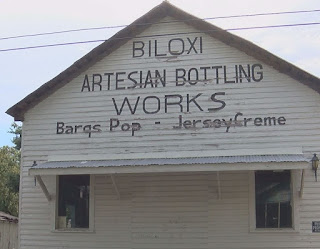 Edward and Gaston bottled soft drinks in New Orleans until Gaston’s death about 1892. Barq Sr. moved to Biloxi, Mississippi, in 1897. The following year he constructed the building to house his bottling company, Biloxi Artesian Bottle Works. Once construction was complete, he began experimenting with formulas for an array of soft drinks and eventually developed the recipe for his now-famous root beer. 1898 is often given as the debut year for what was later to be known as “Barq’s root beer.”
It was there he began bottling his soft drinks. By day he and his wife sold the drinks, and then spent the rest of their time mixing the formula for them and refilling glass bottles.
Barq’s Root Beer was produced in the small building on Keller Avenue until 1937, at which time production relocated to 604 Lameuse Street also in Biloxi. Barq developed a line of soft drinks, including Barq's Sr. and Barq's Root Beer. Similar to root beer, Barq's Senior has its own unique flavor.
The first franchise came in 1934 in Mobile, Alabama when Edward Barq, Sr. and Jesse Robinson. signed a contractual agreement on Barq's product rights. Three years later sixty-two bottling plants churned out Barq’s in twenty-two states. In 1995, The Coca-Cola Company purchased Barq’s, making history with the company’s first purchase of a carbonated beverage in the U.S.
History of Barq's Brothers Bottling Company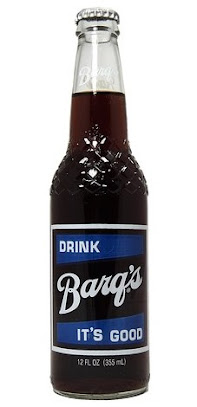
The Barq's Brothers Bottling Company was founded in the French Quarter of New Orleans, Louisiana in 1890, by Edward and his older brother, Gaston. The Barq Brothers bottled carbonated water and various flavours. The most popular initially was their orange flavoured called “Orangine,” which won a gold medal at the 1893 World’s Fair in Chicago.

It was there he began bottling his soft drinks. By day he and his wife sold the drinks, and then spent the rest of their time mixing the formula for them and refilling glass bottles.
Barq’s Root Beer was produced in the small building on Keller Avenue until 1937, at which time production relocated to 604 Lameuse Street also in Biloxi. Barq developed a line of soft drinks, including Barq's Sr. and Barq's Root Beer. Similar to root beer, Barq's Senior has its own unique flavor.
The first franchise came in 1934 in Mobile, Alabama when Edward Barq, Sr. and Jesse Robinson. signed a contractual agreement on Barq's product rights. Three years later sixty-two bottling plants churned out Barq’s in twenty-two states. In 1995, The Coca-Cola Company purchased Barq’s, making history with the company’s first purchase of a carbonated beverage in the U.S.
History of Barq's Brothers Bottling Company

Saturday, March 19, 2022
History of apple cider in America
Cider have been produced for more than 2000 years in temperate areas of the world. In Greek and Roman literature (about 900 BC) there is a wide reference in terms of obtaining fermented beverages from apples, and other fruits. Many fermented drinks known since antiquity have been obtained from apples and pears.
The first recorded references to cider date back to Roman times; in 55 BCE Julius Caesar found the Celtic Britons fermenting cider from native crabapples. The people of northern Spain were making sidra before the birth of Christ.
During colonial era, hard apple cider was by far the most popular alcoholic beverage in America far more than whiskey, wine or beer. Only 9 years after first landing at Plymouth in 1620, European colonists planted apple trees in the Massachusetts Bay Colony. Hard cider became the traditional drink of New England not long after the first settlers arrived.
Ciders were widely enjoyed in early American society. Apple trees grew extremely well in New England, and the art of cider making was readily adapted. Early society struggled to expand their apple orchards, needing more bees and bodies to spread the wealth. Those early colonists identified the issue and brought over swarms of bees to enact the level of pollination needed for thriving orchards.
Apple cider continued in its popularity into the 1800s due in part to the efforts of the legendary Johnny Appleseed who planted many apple trees in the Midwest. As a result, apple cider brewing spread into that area of the country.
By the time of the American Revolution, cider consumption per capita was as high as 40 gallons. Two important factors affected the popularity of hard cider: the mass production of beer during the American industrial revolution and prohibition.
Cider's popularity continued through the 18th and early 19th centuries. In a time where water often contained dangerous bacteria, the alcohol in cider made it a preferable and more sanitary beverage for consumption.
In the 19th century, cider makers began adding rum to cider, making it considerably more intoxicating, resulting in social problems arising from its abuse. Early temperance societies focused on cideries, bringing social pressure for their prohibition. By then cider began its decline from the most popular beverage in the nation.
On January 16, 1919, the United States ratified the 18th amendment, and the prohibition of alcohol in the United States took effect one year later. The production of cider became illegal, and even fresh apple juice production was severely limited. Over the next several decades, the once proud American tradition of cider making was kept alive by only a few local farmers and enthusiasts.
History of apple cider in America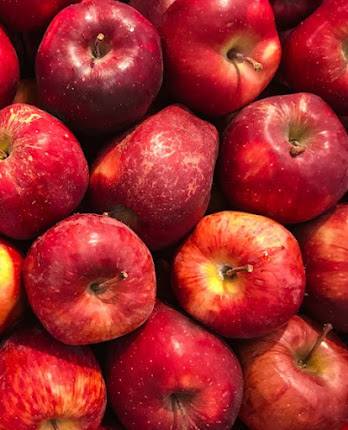
The first recorded references to cider date back to Roman times; in 55 BCE Julius Caesar found the Celtic Britons fermenting cider from native crabapples. The people of northern Spain were making sidra before the birth of Christ.
During colonial era, hard apple cider was by far the most popular alcoholic beverage in America far more than whiskey, wine or beer. Only 9 years after first landing at Plymouth in 1620, European colonists planted apple trees in the Massachusetts Bay Colony. Hard cider became the traditional drink of New England not long after the first settlers arrived.
Ciders were widely enjoyed in early American society. Apple trees grew extremely well in New England, and the art of cider making was readily adapted. Early society struggled to expand their apple orchards, needing more bees and bodies to spread the wealth. Those early colonists identified the issue and brought over swarms of bees to enact the level of pollination needed for thriving orchards.
Apple cider continued in its popularity into the 1800s due in part to the efforts of the legendary Johnny Appleseed who planted many apple trees in the Midwest. As a result, apple cider brewing spread into that area of the country.
By the time of the American Revolution, cider consumption per capita was as high as 40 gallons. Two important factors affected the popularity of hard cider: the mass production of beer during the American industrial revolution and prohibition.
Cider's popularity continued through the 18th and early 19th centuries. In a time where water often contained dangerous bacteria, the alcohol in cider made it a preferable and more sanitary beverage for consumption.
In the 19th century, cider makers began adding rum to cider, making it considerably more intoxicating, resulting in social problems arising from its abuse. Early temperance societies focused on cideries, bringing social pressure for their prohibition. By then cider began its decline from the most popular beverage in the nation.
On January 16, 1919, the United States ratified the 18th amendment, and the prohibition of alcohol in the United States took effect one year later. The production of cider became illegal, and even fresh apple juice production was severely limited. Over the next several decades, the once proud American tradition of cider making was kept alive by only a few local farmers and enthusiasts.
History of apple cider in America
Sunday, November 7, 2021
The first vineyard in North America
In 1522, the first European grape vines in the Americas were planted in Mexico. Hernan Cortes ordered seeds of the Spanish variety Vitis vinifera to be brought to the New World and he signed a decree in 1524 stating that all land owners with Indian slaves should plant 1,000 Spanish grape plants per year for every 100 slaves.
In 1524, an Italian explorer Giovanni da Verrazzano, sailing the north Atlantic seacoast, encounter a region turned out to be Kitty Hawk, off the North Carolina mainland. He found in this region was an abundance of vines growing naturally, reminding him of his native Lombardy.
After the French were driven from the Florida coast, the Spaniards made a settlement and planted a vineyard in believed to be vinifera vines nearby Parris Island, South Carolina. In 1663, explorer William Hilton visited an Indian town on Parris Island, “St. Ellens.” According to him the town was surrounded by vineyards, cornfields, and orchards
In 1610, vineyards were planted by English settlers in the colony of Virginia. There were eight vignerons sent to Virginia in 1619 mostly Frenchmen from Languedoc. The results of the first new planting were reported as successful. In 1621, at least 10,000 vines were planted.
In New Netherland of the Dutch settlers, a vineyard was planted as early as 1642, but was destroyed by the severe winter temperatures. After the English took over the colony from the Dutch in 1669, the new governor granted a monopoly of grape growing on Long Island to Paul Richards, who also received the privilege of selling his wine tax-free.
In 1786 an adventurous Frenchman Pierre Legaux bought 206 acres of land at Spring Mill. In 1787, he began planting European vines and became one of the first commercial wineries in the United States.
1769 – Franciscan missionary Junipero Serra establishes California's first vineyard and winery near present day San Diego.
Swiss immigrant, John James Dufour establishes America's first commercial winery in 1799, aptly named "First Vineyard." The site is located in Jessamine County, on the banks of the Kentucky River in what is now Nicholasville.
Dufour developed his vineyard by clearing the large stones from the ground and using them to build a stone fence. Dufour also used the stones to construct the open-air winery.
The first vineyard in North America
In 1524, an Italian explorer Giovanni da Verrazzano, sailing the north Atlantic seacoast, encounter a region turned out to be Kitty Hawk, off the North Carolina mainland. He found in this region was an abundance of vines growing naturally, reminding him of his native Lombardy.
After the French were driven from the Florida coast, the Spaniards made a settlement and planted a vineyard in believed to be vinifera vines nearby Parris Island, South Carolina. In 1663, explorer William Hilton visited an Indian town on Parris Island, “St. Ellens.” According to him the town was surrounded by vineyards, cornfields, and orchards
In 1610, vineyards were planted by English settlers in the colony of Virginia. There were eight vignerons sent to Virginia in 1619 mostly Frenchmen from Languedoc. The results of the first new planting were reported as successful. In 1621, at least 10,000 vines were planted.
In New Netherland of the Dutch settlers, a vineyard was planted as early as 1642, but was destroyed by the severe winter temperatures. After the English took over the colony from the Dutch in 1669, the new governor granted a monopoly of grape growing on Long Island to Paul Richards, who also received the privilege of selling his wine tax-free.
In 1786 an adventurous Frenchman Pierre Legaux bought 206 acres of land at Spring Mill. In 1787, he began planting European vines and became one of the first commercial wineries in the United States.
1769 – Franciscan missionary Junipero Serra establishes California's first vineyard and winery near present day San Diego.
Swiss immigrant, John James Dufour establishes America's first commercial winery in 1799, aptly named "First Vineyard." The site is located in Jessamine County, on the banks of the Kentucky River in what is now Nicholasville.
Dufour developed his vineyard by clearing the large stones from the ground and using them to build a stone fence. Dufour also used the stones to construct the open-air winery.
The first vineyard in North America

Sunday, August 15, 2021
John W. Yowell Barq’s Bottling Company
John W. Yowell was born in 1905. According to his biography, he started working as a bottle washer in Memphis, Tennessee. His employer paired him 50 cents per day.
After borrowed $5,000 from E.P. Mead at Abilene, he migrated to El Paso. In 1939 Yowell opened a Barq ' s Bottling Company franchise and introduce Barq’s beverages to the area of El Paso. He showed his tenacity by surviving the sugar shortage caused by the conflict.
In 1957, the Yowells bought the Dr Pepper franchise, changing the name to Barq’s Dr Pepper Bottling Co.
John Yowell had a stroke in 1960 that left him partially paralyzed and confined to a wheelchair. He died in 1967, leaving his wife, Marion, and son, Joe, to run the operation.
John W. Yowell Barq’s Bottling Company
After borrowed $5,000 from E.P. Mead at Abilene, he migrated to El Paso. In 1939 Yowell opened a Barq ' s Bottling Company franchise and introduce Barq’s beverages to the area of El Paso. He showed his tenacity by surviving the sugar shortage caused by the conflict.
In 1957, the Yowells bought the Dr Pepper franchise, changing the name to Barq’s Dr Pepper Bottling Co.
John Yowell had a stroke in 1960 that left him partially paralyzed and confined to a wheelchair. He died in 1967, leaving his wife, Marion, and son, Joe, to run the operation.
John W. Yowell Barq’s Bottling Company

Sunday, January 17, 2021
History of milk fortification
Fortification of milk products is beneficial to consumers and provides opportunities for marketing for the dairy product industry.
At the early part of the 20th century, rickets remained one of the most devastating health consequences of the Industrial Revolution. As early as 1822 Sniadecki recommended that children from the inner cities should be exposed to sunlight and encouraged sunbathing as a preventive and treatment strategy.
Milk fortification began in the first half of this century. Vitamin D fortification of milk in the United Kingdom is reported to have begun in 1923; currently, milk fortification with vitamins A and D is practiced on a voluntary basis.
Food fortification programs in the United States started as a means of correcting serious nutritional deficiencies in some portions of the population. Addition of iodine to salt to help prevent goiter, vitamin D to milk to help prevent rickets, and niacin to bread to help prevent pellagra are the best-known examples.
In 1933 the Council on Foods and Nutrition of the AMA (American Medical Association) began to recommend the fortification of milk with vitamin D in an effort to eradicate rickets. The disease — caused by vitamin D deficiency that softens and weakens the bones — was rampant at the time among poor children, particularly in northern U.S. cities. This recommendation was heavily supported by the medical community because of the prevalence of rickets in children.
In 1939, the Food and Nutrition Council of the American Medical Association pronounced the addition of no more than 400 IU of vitamin D per quart of milk, in the interest of public health.
Within a few years after this process of fortifying milk with vitamin D was implemented, rickets was eradicated as a health problem.
Chile introduced iron-fortified milk powder for children over 20 years ago. Today, complementary feeding programs provide powdered milk fortified with vitamin C, iron, copper, and zinc.
Argentina has successfully fortified liquid milk with iron using ferrous sulfate microencapsulated with phospholipids with no deleterious effects on the shelf life or sensory properties of milk.
In the early 1950s, in Great Britain, an outbreak of hypercalcemia in infants were thought to be due to the over fortification of milk with vitamin D. This prompted many countries in Europe forbid fortification of dairy and food products except breakfast cereals and margarine because of an outbreak of vitamin D intoxication in neonates.
History of milk fortification
At the early part of the 20th century, rickets remained one of the most devastating health consequences of the Industrial Revolution. As early as 1822 Sniadecki recommended that children from the inner cities should be exposed to sunlight and encouraged sunbathing as a preventive and treatment strategy.
Milk fortification began in the first half of this century. Vitamin D fortification of milk in the United Kingdom is reported to have begun in 1923; currently, milk fortification with vitamins A and D is practiced on a voluntary basis.
Food fortification programs in the United States started as a means of correcting serious nutritional deficiencies in some portions of the population. Addition of iodine to salt to help prevent goiter, vitamin D to milk to help prevent rickets, and niacin to bread to help prevent pellagra are the best-known examples.
In 1933 the Council on Foods and Nutrition of the AMA (American Medical Association) began to recommend the fortification of milk with vitamin D in an effort to eradicate rickets. The disease — caused by vitamin D deficiency that softens and weakens the bones — was rampant at the time among poor children, particularly in northern U.S. cities. This recommendation was heavily supported by the medical community because of the prevalence of rickets in children.
In 1939, the Food and Nutrition Council of the American Medical Association pronounced the addition of no more than 400 IU of vitamin D per quart of milk, in the interest of public health.
Within a few years after this process of fortifying milk with vitamin D was implemented, rickets was eradicated as a health problem.
Chile introduced iron-fortified milk powder for children over 20 years ago. Today, complementary feeding programs provide powdered milk fortified with vitamin C, iron, copper, and zinc.
Argentina has successfully fortified liquid milk with iron using ferrous sulfate microencapsulated with phospholipids with no deleterious effects on the shelf life or sensory properties of milk.
In the early 1950s, in Great Britain, an outbreak of hypercalcemia in infants were thought to be due to the over fortification of milk with vitamin D. This prompted many countries in Europe forbid fortification of dairy and food products except breakfast cereals and margarine because of an outbreak of vitamin D intoxication in neonates.
History of milk fortification

Monday, January 4, 2021
History of corn whiskey
The first alembics (distilling pots) were built in Egypt, and the term “alcohol” is derived from the Arabian term “al-kohl”, which is described as a material produced by refinement.
The first person credited for distilling spirits was Jabir ibn Hayyan in 800 A.D., an alchemist who developed the first known technique for distilling. He lived around 700 AD and put the distillation principles to paper.
From as early as the 12th century, people have been cooking, fermenting, and distilling whatever source of starch or sugar was locally available into beverage alcohol. In Scotland, whiskey was highly admired and extensively manufactured as early as the late 1400s. Although there is some evidence for a distillation-type process in ancient Egypt, the first reports of whisky production arise in Ireland in the twelfth century, and the first description of a whisky production process is found in Scottish records dating from 1494.
It is estimated that a quarter million Scotch-Irish poured into America during the five heavy waves of the great migration. As the colonists began to arrive in America, they brought with them the practice of distilling whiskey.
By 1625 two brew houses had begun operation in Virginia. Several years earlier, an Episcopalian missionary, Captain George Thorpe, had learned how to convert Indian maize into liquor and had set up a crude distillery at Berkeley Plantation on the banks of the James River.
During Whiskey Rebellion (1791-1794), farmers were used to distilling their surplus grains into whiskey and a united protest gathered speed, particularly in the western counties of Pennsylvania where federal officials were intimidated in order to deny collection of the tax.
The whiskey industry in the United States developed from an overabundance of corn supply and farmers would turn their excess corn into whiskey, rather than pay taxes on the corn.
Since the distillery was essentially a piece of farm equipment, it should be no surprise that by the late 1700’s, there were literally thousands of small grain distilleries each in New York, Pennsylvania, Virginia, and Maryland.
Whiskey production grew, until the rising popularity of the Prohibition movement swept Congress and alcohol production and consumption in the United States was made illegal.
History of corn whiskey
The first person credited for distilling spirits was Jabir ibn Hayyan in 800 A.D., an alchemist who developed the first known technique for distilling. He lived around 700 AD and put the distillation principles to paper.
From as early as the 12th century, people have been cooking, fermenting, and distilling whatever source of starch or sugar was locally available into beverage alcohol. In Scotland, whiskey was highly admired and extensively manufactured as early as the late 1400s. Although there is some evidence for a distillation-type process in ancient Egypt, the first reports of whisky production arise in Ireland in the twelfth century, and the first description of a whisky production process is found in Scottish records dating from 1494.
It is estimated that a quarter million Scotch-Irish poured into America during the five heavy waves of the great migration. As the colonists began to arrive in America, they brought with them the practice of distilling whiskey.
By 1625 two brew houses had begun operation in Virginia. Several years earlier, an Episcopalian missionary, Captain George Thorpe, had learned how to convert Indian maize into liquor and had set up a crude distillery at Berkeley Plantation on the banks of the James River.
During Whiskey Rebellion (1791-1794), farmers were used to distilling their surplus grains into whiskey and a united protest gathered speed, particularly in the western counties of Pennsylvania where federal officials were intimidated in order to deny collection of the tax.
The whiskey industry in the United States developed from an overabundance of corn supply and farmers would turn their excess corn into whiskey, rather than pay taxes on the corn.
Since the distillery was essentially a piece of farm equipment, it should be no surprise that by the late 1700’s, there were literally thousands of small grain distilleries each in New York, Pennsylvania, Virginia, and Maryland.
Whiskey production grew, until the rising popularity of the Prohibition movement swept Congress and alcohol production and consumption in the United States was made illegal.
History of corn whiskey

Sunday, December 27, 2020
7UP in history
In the village of Price's Branch, Missouri, a Mr Charles Leiper Grigg invented a popular orange drink in 1920 called Howdy. He launched his company as The Howdy Corporation. In order to improve it he marketed another drink in 1929 under the name of “Bib-Label Lithiated Lemon-Lime Soda,” it was originally formulated with lithium citrate as one of its active ingredients.
The beverage was a caramel-colored, lithiated lemon-lime soda, which he placed as a drink with a "flavor wallop" to market alongside Howdy Orange drink. The sales were bad. At the same time, more than 600 lemon-lime soft drinks were already in the marketplace.
Grigg spent more than two years testing eleven different formulas of lemon-flavored drinks. He settled on one that fulfilled his criteria, being both refreshing and thirst quenching - the drink recognized today as 7UP.
Acknowledging the success of the 7UP trademark, in 1936, C. L. Grigg changed the Corporation’s name from The Howdy Corporation to The Seven-Up Company. By the late 1940s, 7UP had become the third best-selling soft drink in the world.
The company was took over by Westinghouse in 1969 and in June 1978, Philip Morris acquired The Seven Up Company. In early 1987, Cherry 7UP and Diet 7UP were introduced. The target market was young people and it was instant success across the country.
In 1986, investment firm Hicks and Hass bought The Seven Up Company before the latter merged with Dr Pepper in 1988. The Dr Pepper Snapple Group was spun off from Cadbury Schweppes in 2008; it merged with Keurig Green Mountain in 2018 to form Keurig Dr Pepper. Now the rights to the brand of 7UP are held by Keurig Dr Pepper.
7UP in history
The beverage was a caramel-colored, lithiated lemon-lime soda, which he placed as a drink with a "flavor wallop" to market alongside Howdy Orange drink. The sales were bad. At the same time, more than 600 lemon-lime soft drinks were already in the marketplace.
Grigg spent more than two years testing eleven different formulas of lemon-flavored drinks. He settled on one that fulfilled his criteria, being both refreshing and thirst quenching - the drink recognized today as 7UP.
Acknowledging the success of the 7UP trademark, in 1936, C. L. Grigg changed the Corporation’s name from The Howdy Corporation to The Seven-Up Company. By the late 1940s, 7UP had become the third best-selling soft drink in the world.
The company was took over by Westinghouse in 1969 and in June 1978, Philip Morris acquired The Seven Up Company. In early 1987, Cherry 7UP and Diet 7UP were introduced. The target market was young people and it was instant success across the country.
In 1986, investment firm Hicks and Hass bought The Seven Up Company before the latter merged with Dr Pepper in 1988. The Dr Pepper Snapple Group was spun off from Cadbury Schweppes in 2008; it merged with Keurig Green Mountain in 2018 to form Keurig Dr Pepper. Now the rights to the brand of 7UP are held by Keurig Dr Pepper.
7UP in history

Subscribe to:
Posts (Atom)
Top articles all the time
-
 Mountain dew history Mountain Dew is a caffeinated, sweet, citrus-flavored soft drink produced by PepsiCo, Inc. The formula invented back...
 -
 Fanta is manufactured by Coca Cola for international markets. It is best known as orange soda, although it comes in grape, lemon, lime and o...
 -
 History of Sprite Coke Sprite was introduced by Coca Cola in 1961. Now it’s become world’s leading flavored soft-drinks in category of le...
 -
 Evaporated (condensed) milk, like sweetened condensed milk was first developed in the early 19th century and has been available as a canned ...
 -
 The sweet apples resembling today’s; appeared several thousand years ago in Kazakhstan. In the mid second century Galen explain, implyin...

